
Please read our Terms & Conditions before reading this article. By continuing to read this article, you acknowledge and agree to the linked Terms & Conditions provided.
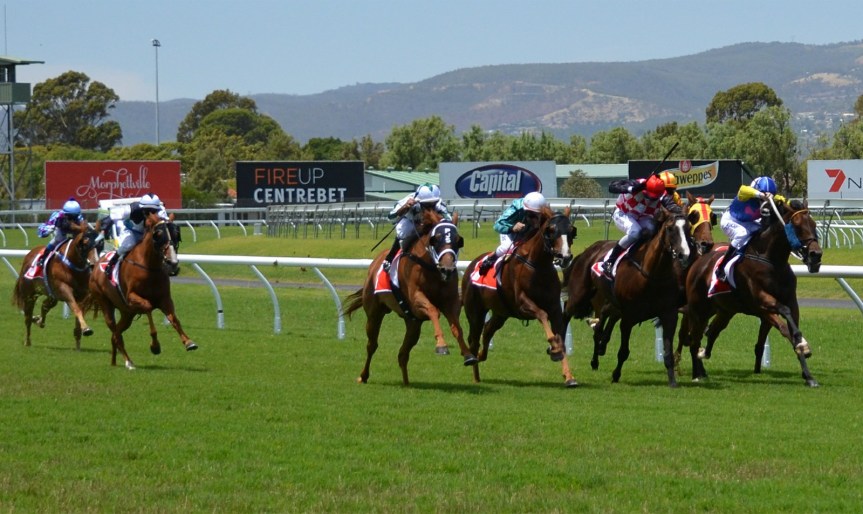
What a way to kick off my blog by writing my first post on Melbourne Cup Day! I will start by saying that I am absolutely no good at picking winning horses, so if you are looking for tips, you might have to find them elsewhere!
The event I have significantly more interest in is the RBA board meeting which coincides with
Melbourne Cup Day every year, both being on the first Tuesday of the month. In fact, the RBA rate decision is announced at 2:30pm AEDST (or 1:30pm for my fellow Brisbanites), only half an hour before the ‘Melbourne Cup’ race.
With the RBA cash rate at a historic low of 1.50%, it is hard to believe it will go any lower. One of the key objectives of monetary policy (such as tweaking interest rates) is to provide market stability by smoothing out the peaks and troughs of the business cycles. Smoother cycles give market participants the confidence to do business and invest which in turn will grow the economy in a healthy, sustainable way. Sounds simple, but extremely difficult to manage in practice.
A low interest-rate environment encourages consumers and businesses to grow the economy by increasing spending. Since returns from holding cash is so low, people are motivated to invest or spend their money elsewhere, whether it is a new car, a holiday, or expanding their businesses. It gets even better, borrowing money looks more attractive as interest payments become more affordable.
All good things are only good in moderation. A prolonged period of low interest rates can lead to excessive risk taking. For instance, investors buy properties (or build new ones) to speculate, even when there might not be any actual demand for those dwellings. Those investors aim to make profits by borrowing at around 4% from any good bank, in the hope that property prices will continue to grow in excess of 10% a year (as they have done in Sydney). Eventually, people will realise there is lack of demand for those properties, causing prices to crash as the market ‘corrects’ itself to more real prices that reflect actual supply and demand. These bubbles and crashes disrupt market stability and are exactly what the RBA is trying to avoid.
The apparent excitement in the property markets is offset by the weak inflation figures in the past year. Inflation rose 0.7% in the September quarter (up from 0.4% in June) which is mostly attributed to significant price increases in fruit and vegetables due to adverse weather conditions. Economists would be more pleased if the growth came from increased spending on household items, equipment, etc. Furthermore, full year inflation is only 1.3%, well below the RBA target of 2-3% for the economy to be considered healthy. The low interest rates which were meant to be moving the economy along are not working as well as the RBA would have liked. Unemployment rate has dropped slightly to 5.6% which is lowest in about three years, but the RBA would probably want to see it move closer to 5.0%. Based on these figures, there is certainly some justification for dropping interest rates further to drive economic activity.
So what will the RBA board decide today? Ultimately, it depends on what factors the RBA is more concerned about – whether or not to push interest rates even lower to stimulate economic activity while running the risk of fueling the property bubble. I am of the view that the RBA will keep rates on hold today, but if they decide to drop rates by another 0.25%, I will hopefully get to enjoy an even lower rate on my home loan.
 INVESTCOST